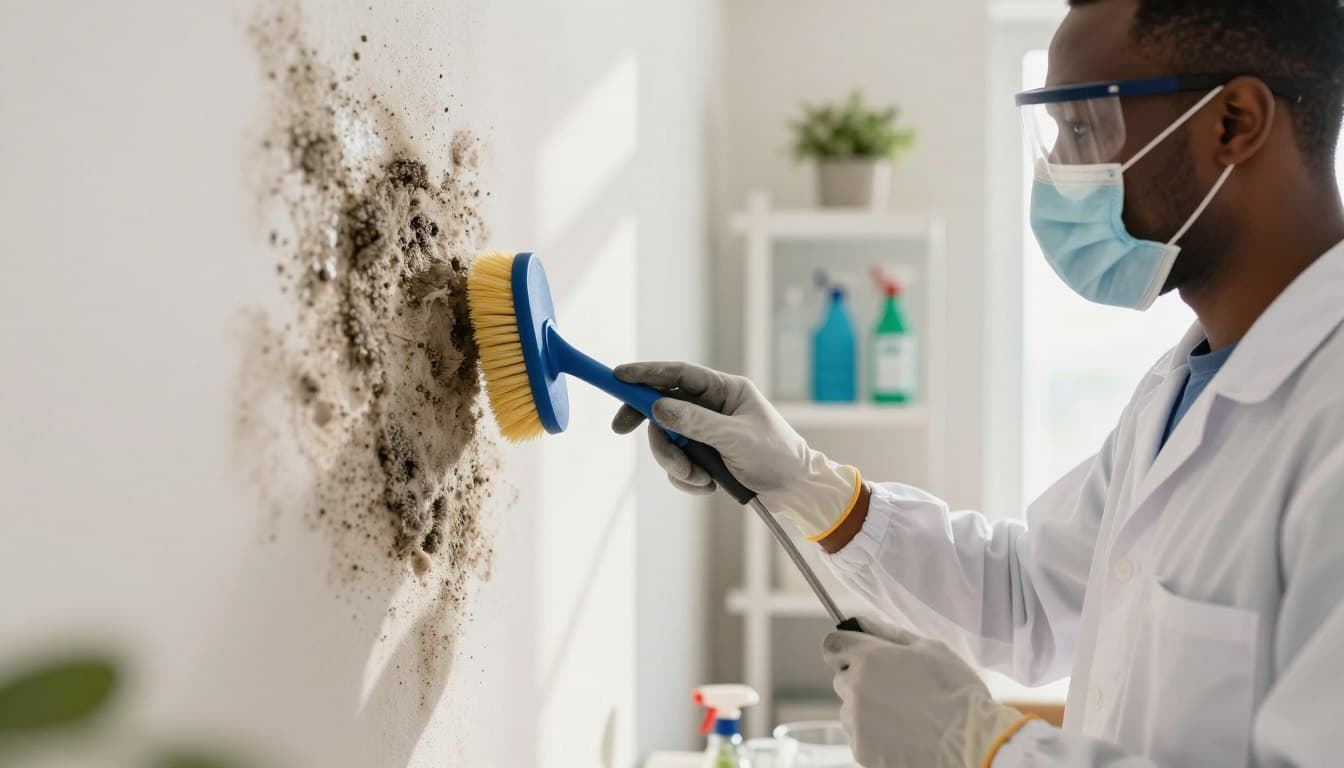
Mold vs. Dampness: What is the Difference and Why Does it Matter?
Property owners in Kenya frequently complain about their houses smelling "musty" or feeling unusually cold and humid indoors. Often, people use the terms "dampness" and "mold" interchangeably. However, from a structural and remediation standpoint, they are two entirely different issues—though one almost inevitably causes the other.
At MoldGuard Kenya, we specialize in diagnosing the root causes of indoor environmental issues. To successfully protect your property, you must understand the critical differences between dampness and mold, and how they interact.
What is Dampness?
Dampness refers to the physical presence of unwanted water or moisture within the structure of a building. It represents a failure in the building's waterproofing, drainage, or ventilation systems. Dampness is the condition; it is not a living organism.
There are three primary types of dampness that plague Kenyan homes:
1. Condensation Dampness
This is the most common form of dampness. It occurs when warm, moisture-laden air (generated from cooking, breathing, and hot showers) comes into contact with cold surfaces—like windows or poorly insulated exterior walls. The vapor turns into liquid water droplets. You will notice this when your windows "sweat" profusely in the cold mornings, particularly in high-altitude areas like Nairobi or Eldoret.
2. Rising Damp
This occurs when groundwater is drawn upward through the porous bricks and mortar of a building’s foundation through capillary action. It usually leaves a distinct physical "tide mark" near the skirting boards on lower ground-floor walls. Paint will often bubble, and the plaster will visibly crumble and degrade into a white powder (efflorescence).
3. Penetrating Damp
This happens when water from outside literally leaks through the walls or roof into the building. It is caused by structural defects such as missing roof tiles, cracked exterior rendering, broken gutters, or leaking internal plumbing pipes. It is localized to the area of the defect.
What is Mold?
Mold, on the other hand, is a living microscopic fungus. It is a biological organism that grows by digesting organic matter.
Unlike dampness, which is just water, mold releases thousands of microscopic spores and toxic chemical compounds (mycotoxins) into the air. Mold requires four things to survive: oxygen, optimal temperatures, an organic food source (like the paper on drywall, wood, or dust), and—most importantly—moisture.
The Inevitable Connection
This brings us to the crucial link: Dampness is the catalyst; Mold is the symptom.
Mold spores are naturally present everywhere in the air, both indoors and outdoors. However, they remain dormant until they land on a surface that provides the moisture they need to grow. Without a source of dampness, mold cannot grow indoors. Therefore, a damp wall is a ticking time bomb. If a wall suffers from rising damp, it is only a matter of time before black or green mold spots begin to colonize the damp plaster.
Why Treating the Mold is Not Enough
This connection explains why simply scrubbing mold off a wall with bleach is useless. If your wall is suffering from condensation or a leaking pipe, wiping away the mold leaves the dampness untouched. Within days, new airborne spores will land on the damp wall and start growing all over again.
How to Solve the Problem Permanently
To eradicate an indoor air quality issue, you must treat both the symptom (the mold) and the cause (the dampness).
- Identify the Source: A professional team must use moisture mapping technology and thermal imaging to determine exactly what type of dampness is occurring (Condensation? Rising? Penetrating?).
- Eradicate the Mold: The living fungal colony must be safely contained, physically removed, and the air scrubbed of toxic spores using HEPA filtration.
- Execute Structural Drying: The building materials must be aggressively dried using commercial dehumidifiers to eliminate the dampness entirely.
At MoldGuard Kenya, we don't just clean up the mess; we solve the structural moisture defects causing the issue. If you are battling persistent damp smells, peeling paint, or visible mold, do not ignore the warning signs.
Contact our certified experts today to schedule a comprehensive dampness and mold inspection.