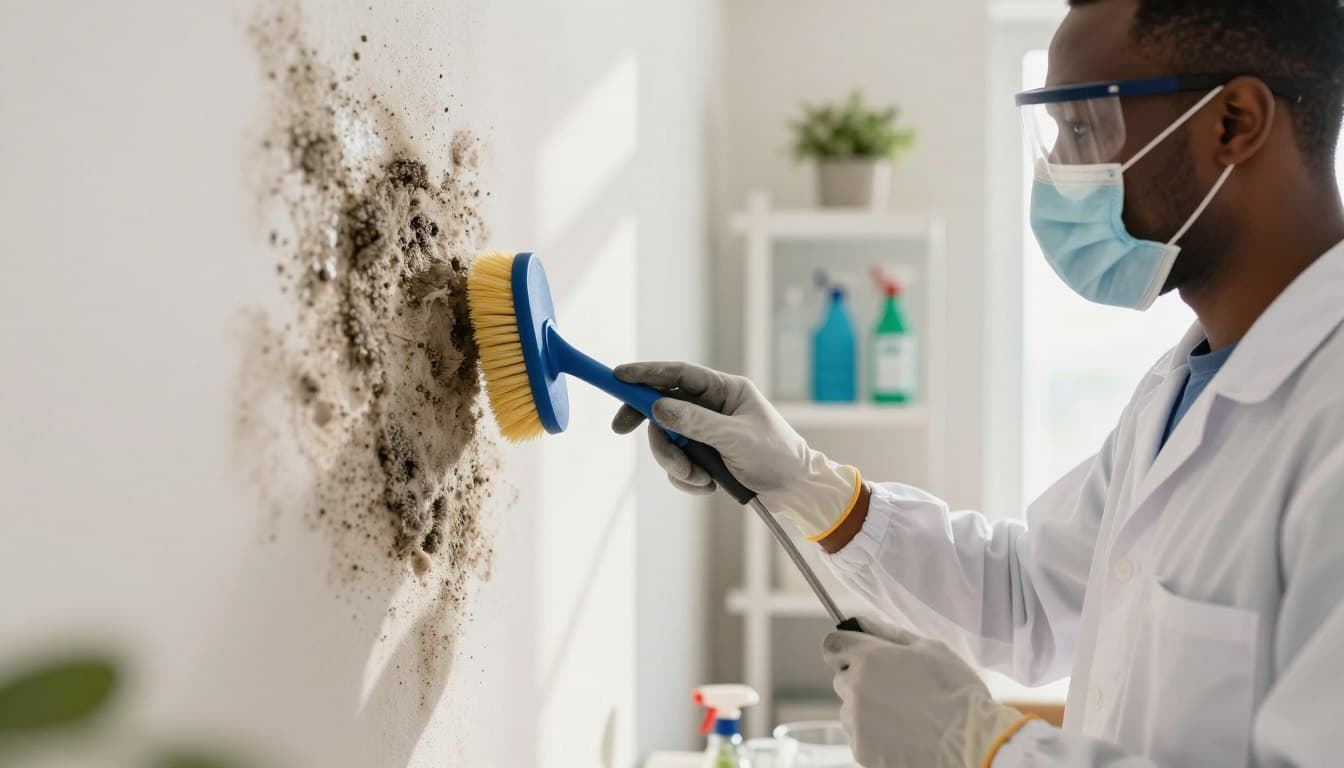
Top Causes of Mold in Kenyan Homes
Mold is a relentless intruder that can silently compromise the structural integrity of your property and the health of your family. In Kenya, our unique geographical and climatic conditions create environments where mold can easily thrive if left unchecked. Understanding the root causes of mold growth is the first step in preventing an infestation. In this comprehensive guide, the experts at MoldGuard Kenya break down the primary culprits behind mold outbreaks in Kenyan homes and businesses.
1. The Impact of the Rainy Seasons
Kenya experiences two distinct rainy periods: the long rains (March to May) and the short rains (October to December). During these months, the sheer volume of water saturating the ground and battering buildings drastically increases the risk of water intrusion.
- Roof Leaks & Gutter Overflows: Heavy downpours easily exploit loose mabati (iron sheets), cracked roofing tiles, and blocked rain gutters. Water subtly seeps into attics and ceiling cavities, creating dark, damp environments perfect for mold.
- Rising Damp: In areas with poor drainage, saturated soil pushes water upward into the concrete foundations of homes—a phenomenon known as rising damp. This causes the lower sections of walls to blister, peel, and eventually break out in fuzzy black or green mold.
2. High Ambient Humidity
Different regions in Kenya face different humidity challenges.
- Coastal Humidity: Cities like Mombasa and Malindi endure high humidity year-round. Salty, moist air naturally penetrates porous building materials like concrete block and drywall.
- Highland Cold and Condensation: In Nairobi, Kiambu, and Eldoret, cold nights following warm days lead to dramatic thermal shifts. This causes water vapor inside the home (from cooking, breathing, and bathing) to condense on cold surfaces like windows and poorly insulated exterior walls, feeding mold spores.
3. Poor Indoor Ventilation
Modern construction emphasizes security and energy efficiency, leading to tightly sealed homes. However, a lack of consistent airflow is a massive contributor to mold.
- Bathrooms and Kitchens: These rooms generate immense amounts of steam. If extractor fans are not used or if windows remain closed, the trapped moisture settles on tiles and ceilings, quickly sprouting mold.
- Closets and Built-in Wardrobes: Stagnant air inside dark closets, especially those positioned against exterior walls, often leads to clothes and leather shoes developing a fuzzy layer of mildew.
4. Unnoticed Plumbing Failures
Not all mold is caused by the weather. Internal water issues account for a significant percentage of severe mold infestations.
- Hidden Pipe Leaks: Slow leaks behind shower walls, under kitchen sinks, or within concrete slabs can seep for months before becoming visible. The constant supply of moisture in these dark wall cavities allows toxic black mold to flourish undetected.
- Appliance Malfunctions: Leaking washing machines, sweating water heaters, and overflowing air conditioning drip pans are common sources of localized mold growth.
5. Drying Clothes Indoors
During the rainy season, many Kenyans are forced to dry their laundry indoors on drying racks. As wet clothes dry, they release liters of water vapor into the air. In a closed room without cross-ventilation, this moisture has nowhere to escape and inevitably condenses on walls and ceilings, acting as a direct catalyst for mold.
How to Prevent Mold from Taking Over
The golden rule of mold prevention is moisture control.
- Ensure Ventilation: Open windows daily to allow cross-breezes, and use exhaust fans in bathrooms and kitchens.
- Fix Leaks Immediately: Do not ignore dripping taps or minor roof leaks. The cost of fixing a pipe is far less than structural mold remediation.
- Use Dehumidifiers: In persistently damp areas or coastal regions, a dehumidifier can physically extract excess moisture from the air.
When to Call the Professionals
If you discover a mold outbreak that covers more than a few square feet, or if it keeps returning after surface cleaning, the moisture source has likely not been addressed. Simply wiping the walls with bleach will not kill the "roots" of the mold embedded in the porous materials.
At MoldGuard Kenya, we utilize advanced moisture mapping to detect hidden water sources and employ industrial air filtration to safely remove toxic spores from your environment.
Don't let mold dictate the health and safety of your home. Contact our certified mold remediation experts today for a comprehensive inspection.
Looking for local experts? Check out our services in Nairobi and Mombasa.