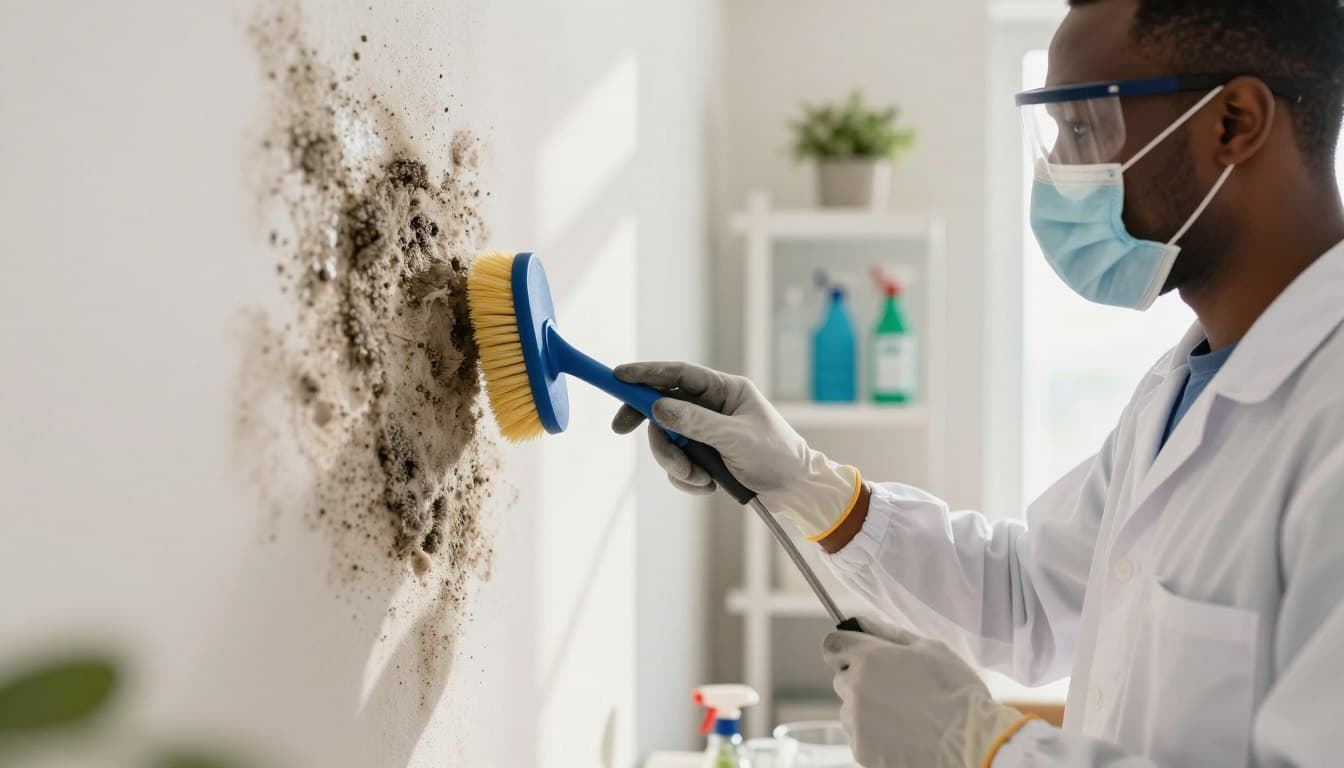
Toxic Black Mold: Myths vs. Facts Explained by the Experts
No other indoor pollutant commands as much fear and anxiety as "Toxic Black Mold." A quick internet search will yield thousands of terrifying articles detailing the lethal consequences of encountering it in your home. While it is undoubtedly a severe environmental hazard, the immense amount of misinformation surrounding it often causes homeowners to panic or, conversely, ignore critical warning signs.
At MoldGuard Kenya, our certified remediation experts deal with hazardous bio-contaminants daily. In this article, we cut through the sensationalism to separate the myths from the facts regarding Toxic Black Mold.
The Facts: What is Toxic Black Mold?
What the public calls "Toxic Black Mold" generally refers to a specific species of fungus named Stachybotrys chartarum. Unlike standard bathroom mildew which is easy to wipe away, Stachybotrys has distinct characteristics:
- It appears as a greenish-black, slimy mass, rather than dry and powdery.
- It requires constant, heavy saturation to grow (such as a broken water pipe inside a wall or a severe roof leak), unlike common mold which can grow just from high humidity.
- It predominantly feeds on high-cellulose materials like drywall, ceiling tiles, and cardboard.
Fact #1: It Produces Dangerous Mycotoxins
Mold itself is not "toxic." It is the biochemicals that specific molds produce—called mycotoxins—that are toxic to humans and animals. Stachybotrys chartarum produces particularly potent mycotoxins called trichothecenes. When these toxins are inhaled or touched, they can cause severe neurological and respiratory symptoms, ranging from chronic fatigue and cognitive impairment ("brain fog") to intense asthma attacks and skin rashes.
Fact #2: It is Often Hidden
Because Stachybotrys requires absolute saturation, it rarely grows out in the open. It usually festers in the dark, waterlogged cavities of your building—behind drywall, under flooring, or in flooded crawlspaces. You will likely smell the heavy, musty odor or suffer unexplained health symptoms long before you see the black slime.
The Myths You Need to Ignore
Myth #1: If It Isn't Black, It Isn't Dangerous
False. Color is not an indicator of how dangerous a mold is. Molds come in a rainbow of colors—green, yellow, white, and orange. In fact, some highly toxigenic species of Aspergillus and Penicillium appearing green or white are far more common in homes than Stachybotrys and can be just as hazardous to your health.
Myth #2: All Black-Colored Mold is "Toxic Black Mold"
False. Many common, relatively benign molds happen to be black in color (such as Nigrospora or Cladosporium). Discovering black spots under your sink does not immediately mean you have a lethal Stachybotrys infestation. Only specialized laboratory testing can definitively identify the mold species. However, all indoor mold is a health hazard and should be removed professionally, regardless of the species.
Myth #3: Spraying Bleach Kills Toxic Black Mold
Dangerously False. This is the most common and hazardous myth. Attempting to scrub toxic black mold with bleach causes the colony to go into a defensive shock, releasing massive clouds of toxic spores and mycotoxins directly into your face. Furthermore, bleach does not penetrate drywall or wood; it only bleaches the color off the surface while leaving the toxic roots alive.
How to Handle Suspected Toxic Mold Safely
If you discover a slimy, dark patch of mold in your home following a water leak, do not touch it.
Eradicating Stachybotrys requires extreme caution. At MoldGuard Kenya, we utilize full hazmat suits and industrial-grade HEPA air filtration to create a negative pressure containment zone. This ensures that the toxic spores cannot escape into the rest of your home while we physically cut out and remove the contaminated materials.
Don't panic, but don't wait. If you suspect toxic black mold is compromising your property and your health, trust the certified professionals at MoldGuard Kenya. Contact us for a comprehensive inspection today.