Indoor Air Quality (IAQ) Assessment & Improvement in Kenya
Breathe pure, healthy air. We conduct scientific diagnostic audits for toxic mold spores, chemical VOCs, particulate dust, and humidity imbalances across Nairobi, Mombasa, and Kenya.
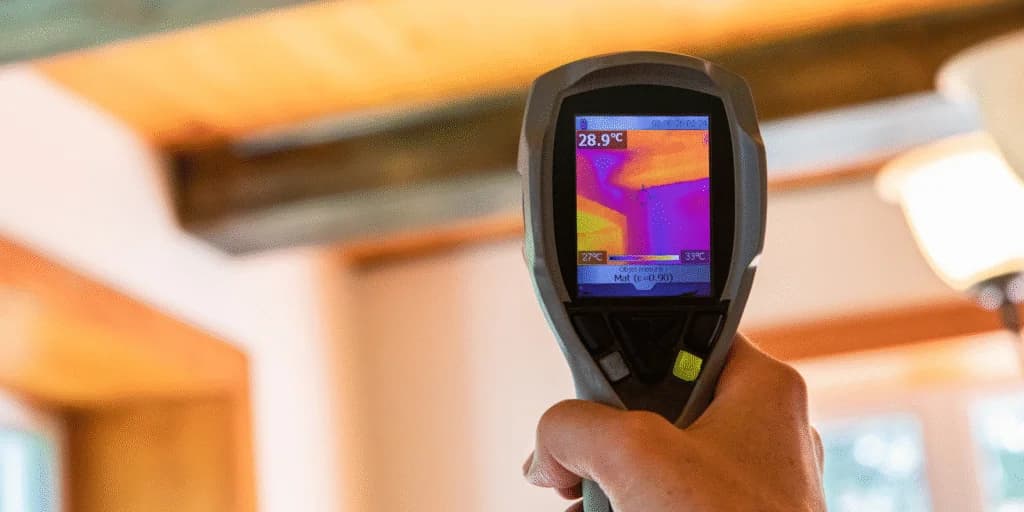
Most of us assume that once we are indoors, we are safe from the dust, pollution, and allergens of the outside world. In reality, the air inside Kenyan homes, offices, schools, and hospitals is often more contaminated than the air outside — sometimes by a significant margin. Trapped humidity, mold spores, dust mites, cooking fumes, poor ventilation, and chemical off-gassing from furniture and paint all combine to create indoor environments that quietly affect health, comfort, and productivity.
At MoldGuard Kenya, indoor air quality (IAQ) assessment and improvement is at the core of what we do. This guide explains what indoor air quality really means, why it matters in the Kenyan climate, how professional assessments work, and how we make your indoor air healthier to breathe.
📋 Guide Index: Indoor Air Quality in Kenya
1. What Is Indoor Air Quality and Why Does It Matter?
Indoor air quality refers to the condition of the air within and around buildings, particularly as it relates to the health and comfort of the occupants. It is determined by a combination of factors: relative humidity levels, ventilation rates, airborne particulate matter (PM2.5/PM10), fungal mold spores, chemical VOCs, and carbon dioxide concentrations.
Because most people spend up to 90% of their time indoors — at home, at work, or in school — the quality of indoor air has a far greater cumulative impact on health than outdoor smog. Enclosed rooms trap pollutants, allowing concentrations to build up over time.
2. Why Indoor Air Quality Is a Growing Concern in Kenya
Several trends specific to Kenya's built environment and climate make indoor air quality an urgent priority:
- Sealed, modern construction: Newer high-rises in Kilimani, Westlands, and Upper Hill use sealed glass facades and air conditioning, restricting fresh air intake.
- High coastal humidity: Towns like Mombasa, Malindi, and Diani experience high humidity year-round, fueling mold and dust mite breeding.
- Seasonal rainfall: Rains in Nairobi and central Kenya cause severe wall dampness and window condensation.
- Urban traffic emissions: Vehicles along major highways (e.g., Mombasa Road, Thika Superhighway) infiltrate unsealed windows.
- Synthetic building materials: Modern paints, laminates, and adhesives off-gas VOCs for months after building completion.
3. Common Indoor Air Pollutants Found in Kenyan Buildings
🦠 Biological Contaminants
Mold spores, dust mites, bacteria, and pollen trapped indoors.
💨 Particulate Matter
Fine inhalable dust particles (PM2.5 & PM10), soot, and textile fibers.
🧪 Chemical VOCs
Formaldehyde, paint solvents, adhesives, and synthetic cleaning chemical vapors.
8. Standard Healthy Indoor Air Quality Benchmarks
| Parameter | Healthy Threshold | Potential Threat | Associated Risks |
|---|---|---|---|
| Relative Humidity (RH) | 40% – 50% | > 60% | Mold colonies, dust mite growth |
| Particulate Matter (PM2.5) | < 15 µg/m³ | > 35 µg/m³ | Asthma, airway inflammation |
| Carbon Dioxide (CO2) | < 800 ppm | > 1200 ppm | Headaches, fatigue, low focus |
| Total VOCs | < 300 µg/m³ | > 1000 µg/m³ | Eye irritation, chemical sensitivity |
11. IAQ Assessment vs. General Cleaning: Why They Are Not the Same
| General Housekeeping | Professional IAQ Assessment |
|---|---|
| Cleans visible surface dust | Measures microscopic PM2.5 & PM10 particles |
| Wipes surface mildew off tiles | Samples airborne mold spore density & genus |
| Cannot measure air moisture | Tracks Relative Humidity (RH%) & Dew Point |
| Ignores HVAC & chemical off-gassing | Audits VOC levels & Air Changes Per Hour (ACH) |
Frequently Asked Questions About Indoor Air Quality in Kenya
❓ How long does an indoor air quality assessment take?
Most residential assessments take between 1 and 3 hours, depending on property size and areas tested. Larger commercial buildings or office parks may require a full-day audit.
❓ Can I improve indoor air quality without professional help?
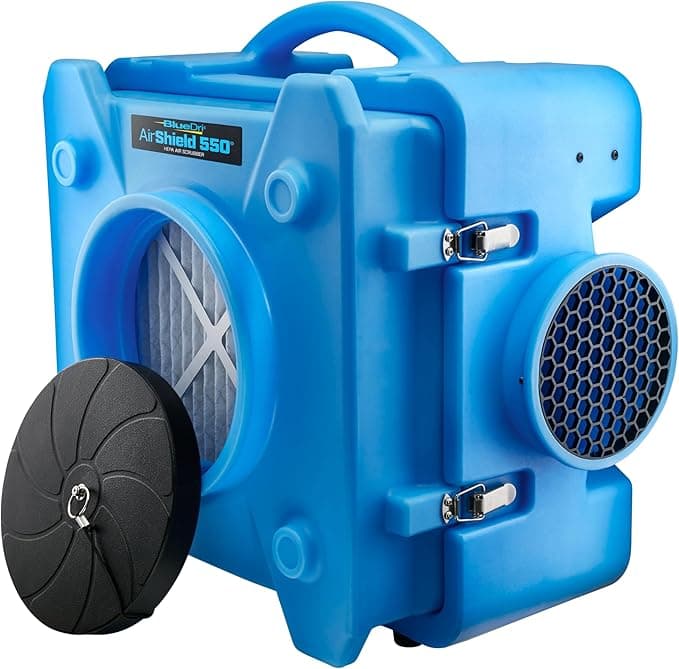
Simple steps like regular cross-ventilation and using quality HEPA air purifiers help. However, identifying hidden cavity mold, VOC off-gassing, or HVAC contamination requires calibrated diagnostic equipment.
❓ Is indoor air quality testing useful if I don't see any visible mold?
Yes! Many air quality hazards — such as volatile organic chemicals (VOCs), microscopic mold spores floating from ceiling voids, and inadequate air changes per hour — produce zero visible signs.
❓ What is a healthy humidity level for indoor spaces in Kenya?
Indoor relative humidity (RH) between 30% and 50% is ideal. Levels above 60%, common during Kenya's rainy seasons or in coastal towns like Mombasa, trigger rapid fungal spore germination.
❓ Do you provide services outside Nairobi?
Yes. MoldGuard Kenya serves property owners across Kenya's primary centers including Nairobi, Mombasa, Kiambu, Nakuru, Eldoret, and surrounding coastal & central regions.
❓ Will an IAQ assessment tell me what is causing my symptoms?
An assessment identifies measurable air quality pollutants in your space (spore density, humidity %, PM2.5, VOC levels), providing actionable environmental data for you and your physician.
Book Your Indoor Air Quality Audit Today
Ensure your family, staff, or tenants breathe pure, allergen-free air. Speak with certified environmental technicians at MoldGuard Kenya.