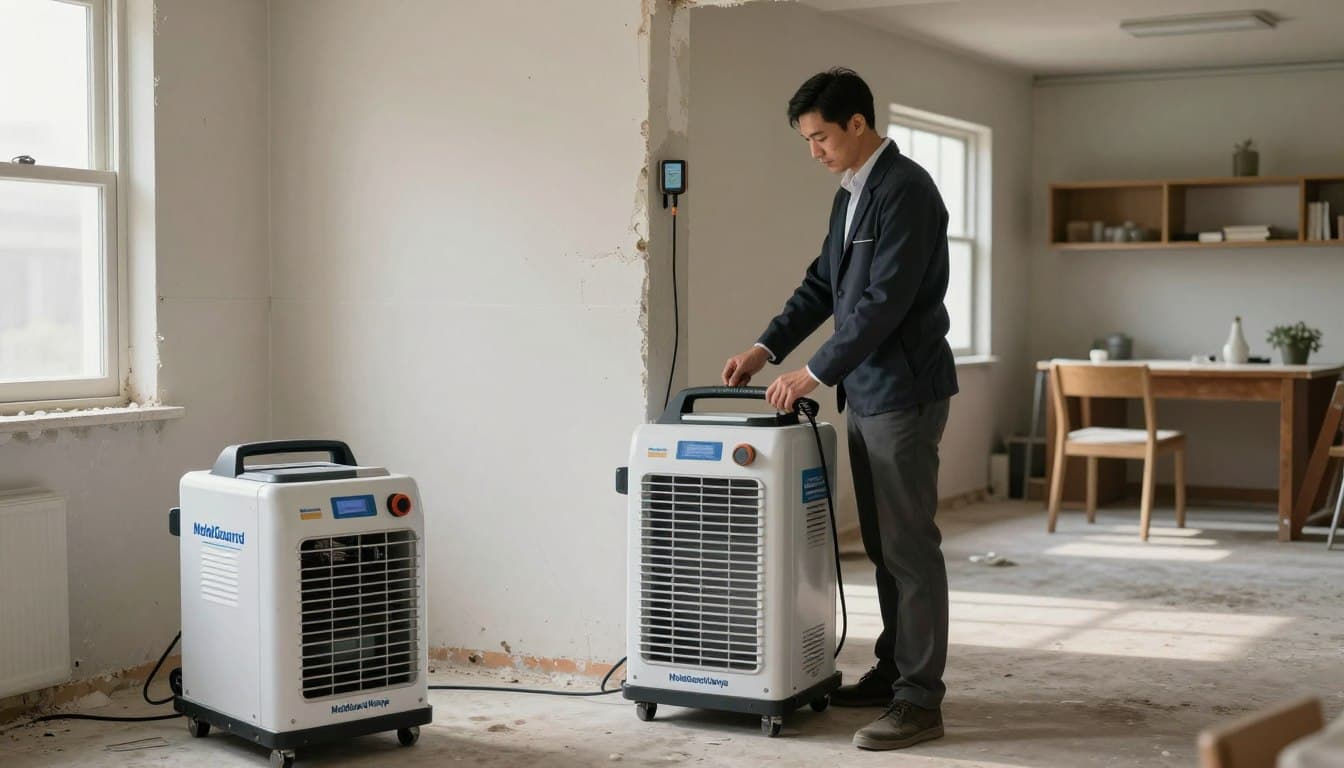
Black mold, written black mould in Kenyan English, usually refers to Stachybotrys chartarum, a dark green-black fungus that grows on materials which have stayed wet for a long time. MoldGuard Kenya removes it from homes and commercial buildings in Nairobi and across Kenya under full containment.
Not every dark patch is Stachybotrys. Several common moulds look black on a wall. All of them should be removed, but true black mould needs stricter handling because disturbing it releases spores and fragments that are harmful to breathe.
Black Mold Removal Prices
| Service | Price |
|---|---|
| Site inspection | KES 2,500 |
| Laboratory test to confirm the mold type | KES 7,500 per kit |
| Contained single-room treatment | From KES 8,500 (bathroom) or KES 15,000 (bedroom) |
| 1–2 rooms where soaked boards must be removed | KES 45,000 – 85,000 |
| Whole-house or structural remediation | KES 120,000 – 300,000+ |
Black mould usually means the material has been wet for a long time, so jobs more often fall into the higher brackets. Stricter containment and protective equipment add labour time. Your quote follows the inspection.
For a full breakdown, read our guide to mold removal costs in Kenya.
How to Recognise Black Mould
Stachybotrys is dark green to black and looks slimy when wet and sooty when it dries out. It needs constant moisture, so it appears where water has been present for weeks: under a leaking roof, behind a wall with a dripping pipe, on ceiling boards after flooding, or at the base of a wall with rising damp.
It grows on materials that contain cellulose, such as gypsum board, ceiling board, wood, cardboard and wallpaper. It is uncommon on bare tiles or glass. A laboratory test is the only way to be certain of the species.
Health Risks of Black Mold Exposure
People exposed to heavy indoor mould growth report coughing, wheezing, a blocked nose, irritated eyes and skin, headaches and tiredness. The risk is higher for babies and young children, older people, anyone with asthma or allergies and anyone with a weakened immune system.
If someone in the household has symptoms, see a doctor and tell them about the mould. Removing the growth deals with the source of exposure, but it does not replace medical advice.
Why You Should Not Remove Black Mould Yourself
Scrubbing or scraping dry black mould breaks it up and sends spores through the house. Bleach does not reach the roots inside ceiling board or plaster, and tearing out affected boards without containment contaminates rooms that were clean.
Until the technicians arrive, keep the room closed, do not run a fan in it, do not touch or wipe the growth, and keep children and pets out.
Our Black Mold Removal Process
The stages are the same as standard mold removal, with tighter controls at each one.
- Inspection and, where needed, laboratory testing to confirm the type and extent of the growth.
- Full containment of the work area with sealed plastic barriers.
- Negative air pressure and HEPA air scrubbing so spores are drawn into filters instead of the rest of the building.
- Technicians in protective suits, gloves and respirators.
- Removal and sealed disposal of porous materials that cannot be saved, followed by antimicrobial treatment of the structure.
- Structural drying, then verification that the area is clear before containment comes down.
Fixing the Water Problem Behind It
Black mould is a sign of long-term water damage. The roof leak, plumbing fault or rising damp that fed it has to be repaired, or new growth will follow. Our inspection report identifies that source so your plumber, roofer or contractor knows exactly what to fix.
Frequently Asked Questions
Is black mold dangerous?
Heavy growth of black mold (Stachybotrys chartarum) can cause coughing, wheezing, irritated eyes and skin, and it is a higher risk for children, older people and anyone with asthma or a weak immune system. It should be removed by trained technicians.
How do I know if the mould in my house is black mould?
Colour alone is not proof, because several common moulds look black. A laboratory test, KES 7,500 per kit, identifies the species. Either way, the growth should be removed and the moisture source fixed.
How much does black mold removal cost in Kenya?
A contained single room starts from KES 8,500 for a bathroom or KES 15,000 for a bedroom. Jobs where soaked boards must be removed typically cost KES 45,000 – 85,000. The quote follows a KES 2,500 inspection.
Can I clean black mould with bleach?
No. Bleach does not reach the roots inside porous materials, and scrubbing spreads spores to other rooms. Keep the room closed and call a professional.
Do we need to move out during black mould removal?
For a single contained room, many households stay in the unaffected part of the home. For larger jobs across several rooms we will advise you before work begins.
Related Services
Areas We Serve
Book a Site Inspection for KES 2,500
Find out where the damp is coming from and what it will cost to fix before you spend anything on treatment.