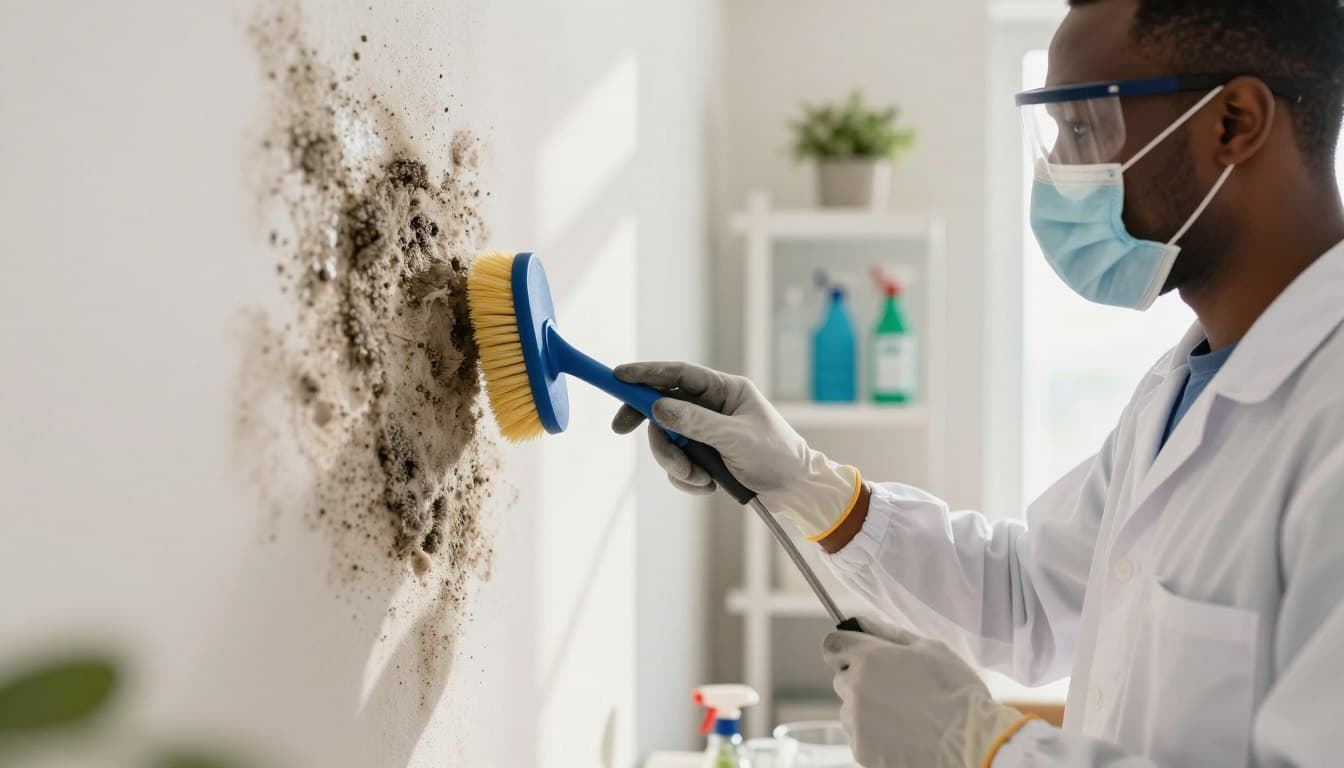
If you've ever walked into a room and been hit by that unmistakable musty smell, or noticed dark patches creeping across your ceiling after the long rains, you already know that mold and dampness are more than a cosmetic nuisance in Kenya. From the humid coastal air in Mombasa to the perpetually damp basements of Nairobi's older buildings, mold spores are a silent, year-round problem for homeowners, landlords, hospitals, schools, and business owners across the country.
At MoldGuard Kenya, we specialize in professional air scrubbing services designed to capture and eliminate airborne mold spores, allergens, and excess moisture before they compromise your health, your property, and your peace of mind. This guide walks you through everything you need to know about air scrubbing in the Kenyan context — what it is, why it matters, how it works, and how to choose the right team for the job.
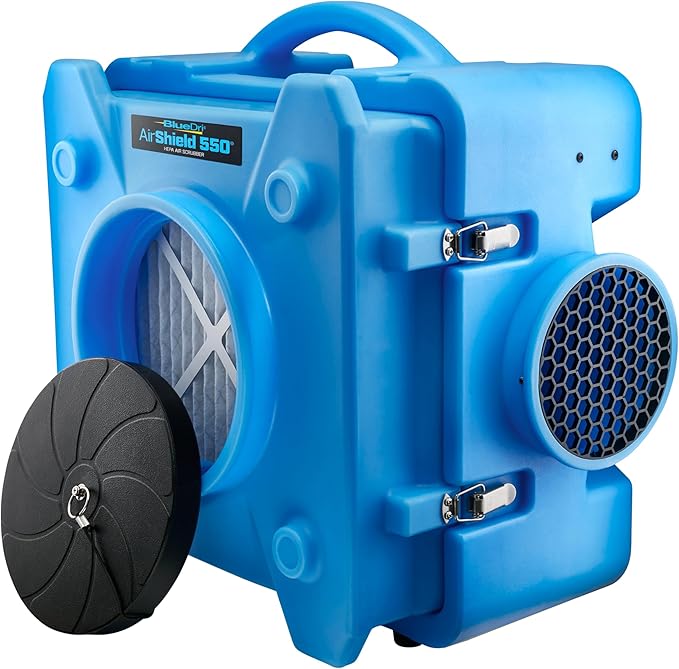
Table of Contents
- Why Mold and Dampness Are a Growing Problem in Kenya
- What Is Air Scrubbing, Exactly?
- How Air Scrubbers Actually Work
- The Health Risks of Mold Spores and Damp Indoor Air
- Signs Your Home or Office Needs Air Scrubbing
- Air Scrubbing vs. Other Mold Treatment Methods
- The MoldGuard Kenya Process, Step by Step
- Who Needs Air Scrubbing Services in Kenya?
- Factors That Affect the Cost of Air Scrubbing in Kenya
- DIY Mold Control vs. Hiring Professionals
- How to Choose the Right Air Scrubbing Company in Kenya
- Frequently Asked Questions
- Get a Free Mold & Air Quality Assessment
1. Why Mold and Dampness Are a Growing Problem in Kenya
Kenya's varied climate creates near-perfect breeding conditions for mold in many parts of the country. Coastal towns like Mombasa, Malindi, and Kilifi experience high humidity almost year-round, while Nairobi and the central highlands see heavy seasonal rains during the long and short rain seasons. Add to this the tightly sealed, poorly ventilated construction common in many modern apartments and offices, and you have a recipe for trapped moisture, condensation, and mold growth.
Several factors are making the problem worse:
- Rapid urban construction with minimal attention to damp-proofing and ventilation
- Increased use of air conditioning and sealed glass buildings, which trap moisture indoors
- Aging plumbing and roofing in older estates, leading to hidden leaks
- Poor drainage around building foundations, especially in flood-prone neighborhoods
- Extended rainy seasons that leave walls and ceilings damp for weeks at a time
The result is that mold is no longer just a coastal or slum-housing issue. It affects high-end apartments in Kilimani, office parks in Westlands, hospitals, schools, and warehouses storing sensitive goods across the country.
2. What Is Air Scrubbing, Exactly?
Air scrubbing is a professional air purification process that uses industrial-grade equipment to filter airborne contaminants — including mold spores, dust, bacteria, and volatile organic compounds (VOCs) — out of an indoor space. Unlike a simple household air purifier, an air scrubber is designed for high-volume filtration in contaminated or high-risk environments, making it one of the most effective tools available for mold remediation and dampness control.
Air scrubbing is typically used:
- During and after active mold remediation, to capture spores disturbed during cleanup
- In water-damaged buildings, to control airborne mold growth while structural drying takes place
- As a preventive measure in chronically damp spaces
- In sensitive environments like hospitals, labs, and food storage facilities where air quality must meet strict standards
3. How Air Scrubbers Actually Work
A commercial air scrubber pulls contaminated air through a series of filtration stages before releasing clean air back into the room. The core components typically include:
HEPA Filtration
High-Efficiency Particulate Air (HEPA) filters capture over 99.97% of airborne particles as small as 0.3 microns — this includes mold spores, which typically range from 2 to 10 microns in size. This makes HEPA filtration one of the most reliable tools against airborne mold contamination.
Activated Carbon Filters
These filters absorb musty odors, VOCs, and other gaseous contaminants that HEPA filters alone cannot capture — addressing that persistent "damp smell" that lingers even after visible mold is removed.
Negative Air Pressure Setup
In active remediation projects, air scrubbers are often configured to create negative air pressure in the affected zone. This prevents contaminated air and disturbed spores from spreading into unaffected parts of the building during cleanup — a critical containment step that separates professional remediation from DIY cleaning.
Continuous Air Exchange
Industrial air scrubbers are rated by how many times they can exchange (filter) the total air volume of a room per hour. For heavily contaminated spaces, technicians calculate the required Air Changes Per Hour (ACH) to determine how many units and how much runtime a space needs for effective decontamination.
4. The Health Risks of Mold Spores and Damp Indoor Air
Mold spores are microscopic and become airborne easily, meaning you can inhale them without ever seeing visible mold growth. This is particularly concerning in Kenyan households where mold often grows in hidden spaces — behind wardrobes, under carpets, inside ceiling voids, or within HVAC ductwork.
Commonly reported health effects associated with prolonged mold exposure include:
- Persistent coughing, sneezing, and nasal congestion
- Worsening asthma symptoms and increased frequency of asthma attacks
- Skin irritation and rashes
- Eye, throat, and sinus irritation
- Chronic fatigue and headaches
- Increased vulnerability in children, the elderly, and people with compromised immune systems
Because these symptoms are often mistaken for seasonal allergies or the common cold, many Kenyan households live with a mold problem for months or even years without realizing the true cause of their family's recurring health complaints.
This is a sensitive topic, and if you are experiencing ongoing health issues, we always recommend speaking with a medical professional in addition to addressing the source of the contamination in your home.
5. Signs Your Home or Office Needs Air Scrubbing
You don't need to see black mold on your walls to have a mold problem. Watch out for these warning signs:
- A persistent musty or earthy smell, especially in bathrooms, kitchens, basements, or storage rooms
- Visible discoloration on walls, ceilings, grout lines, or window frames
- Peeling paint or bubbling wallpaper, often a sign of trapped moisture beneath the surface
- Condensation on windows most mornings, particularly during the rainy season
- Unexplained respiratory symptoms that improve when you're away from the property
- A recent history of flooding, leaks, or burst pipes that weren't professionally dried out
- Visible dampness on walls that never seems to fully dry, even in sunny weather
If any of these sound familiar, it's worth scheduling a professional air quality and moisture assessment before the problem spreads further into your building's structure.
6. Air Scrubbing vs. Other Mold Treatment Methods
Many property owners in Kenya default to bleach, fumigation sprays, or standalone dehumidifiers when they notice mold. While these methods have their place, they each fall short in important ways:
| Method | What It Does | Limitations |
|---|---|---|
| Bleach / Surface Cleaning | Kills visible mold on hard, non-porous surfaces | Does not address airborne spores or mold growing inside walls, insulation, or porous materials |
| Fumigation / Fogging | Disperses a chemical agent to reduce surface organisms | Chemical residue concerns; limited effect on already-airborne spores; doesn't address root moisture cause |
| Standalone Dehumidifiers | Reduces ambient humidity over time | Slow; doesn't filter existing airborne spores; ineffective without proper ventilation |
| Industrial Air Scrubbing | Actively filters airborne mold spores, dust, and odors while supporting structural drying | Most effective when combined with fixing the underlying moisture source |
The most effective approach — and the one MoldGuard Kenya recommends — combines air scrubbing with moisture source correction (fixing leaks, improving drainage, or upgrading ventilation) and, where necessary, targeted surface remediation. Air scrubbing alone treats the symptom; addressing the moisture source treats the cause.
7. The MoldGuard Kenya Process, Step by Step
When you book an assessment with MoldGuard Kenya, here's what to expect:
-
Step 1: Inspection and Moisture Mapping
Our technicians conduct a full walkthrough of your property, using moisture meters and visual inspection to identify both visible mold and hidden damp zones behind walls, under flooring, and within ceiling voids. -
Step 2: Air Quality Assessment
We evaluate airborne spore concentration and identify contributing factors such as poor ventilation, HVAC contamination, or persistent condensation points. -
Step 3: Containment Setup
For active remediation projects, we isolate the affected area and establish negative air pressure to prevent cross-contamination to unaffected rooms. -
Step 4: Air Scrubbing Deployment
Industrial-grade HEPA and activated carbon air scrubbers are deployed and run for a calculated duration based on room volume and contamination severity. -
Step 5: Surface Remediation (Where Needed)
Visible mold on surfaces is treated and removed using appropriate techniques for the material involved. -
Step 6: Moisture Source Correction Recommendations
We provide a detailed report identifying the root cause of the dampness — whether it's a roofing leak, poor drainage, condensation, or ventilation issues — along with practical recommendations to prevent recurrence. -
Step 7: Post-Treatment Verification
A final air quality check confirms that spore counts have returned to a safe, healthy baseline before we close out the project.
8. Who Needs Air Scrubbing Services in Kenya?
Air scrubbing isn't just for homeowners dealing with a mold outbreak. We regularly work with:
- Residential homeowners and landlords managing recurring dampness in apartments and estates
- Property management companies overseeing multiple units across Nairobi, Mombasa, and other urban centers
- Hospitals and clinics, where indoor air quality directly affects patient health outcomes
- Schools and daycare centers, protecting children who are especially vulnerable to mold exposure
- Hotels and hospitality businesses, where guest comfort and reputation are on the line
- Warehouses and storage facilities, particularly those storing paper, textiles, food, or electronics sensitive to humidity damage
- Offices and co-working spaces, where poor air quality can affect staff wellbeing and productivity
- Insurance-related water damage claims, where documented professional remediation is often required
9. Factors That Affect the Cost of Air Scrubbing in Kenya
Every property is different, and pricing for air scrubbing services depends on several factors:
- Size of the affected area — larger spaces require more units and longer runtimes
- Severity of contamination — a small bathroom mold patch costs far less to resolve than a whole-house post-flood remediation
- Number of air scrubbers required to achieve adequate air changes per hour
- Accessibility of the affected area — ceiling voids, crawl spaces, and ductwork typically require more labor
- Whether containment and negative air pressure setup is needed
- Additional surface remediation or moisture-proofing work requested alongside air scrubbing
Because of this variation, MoldGuard Kenya provides a free, no-obligation on-site assessment before quoting any project, so you know exactly what you're paying for and why.
10. DIY Mold Control vs. Hiring Professionals
We understand the temptation to handle a mold problem yourself — a bottle of bleach and a scrub brush feels like a quick fix. But DIY approaches have real limitations:
What DIY Can Handle:
- Small, isolated surface mold on non-porous materials like tile or glass
- Routine cleaning to prevent minor mildew buildup in bathrooms
Why Professional Air Scrubbing is Necessary:
- Airborne spores disturbed during DIY cleaning can spread throughout the building if not properly contained
- Mold hidden inside walls, insulation, or ceiling voids is invisible to the untrained eye and won't be addressed by surface cleaning
- Without professional-grade filtration, spores that become airborne during cleanup can resettle elsewhere
- Repeated cleaning of the same spot without addressing the underlying moisture source usually means the mold returns within weeks
If mold covers an area larger than roughly one square meter, has returned after cleaning, or is linked to a known water damage event, it's time to bring in professionals.
11. How to Choose the Right Air Scrubbing Company in Kenya
Not all mold remediation providers offer genuine air scrubbing capability — many simply offer surface cleaning or fumigation rebranded as "mold treatment." When evaluating a provider, ask:
- Do they use industrial HEPA-rated air scrubbing equipment, or only surface treatments?
- Do they conduct a proper moisture inspection before quoting a price?
- Can they explain their containment process for active remediation projects?
- Do they provide before-and-after air quality verification?
- Do they offer guidance on fixing the root cause of dampness, not just a one-time clean?
- Are they experienced with your specific property type — residential, commercial, medical, or industrial?
At MoldGuard Kenya, we're happy to walk you through our equipment, process, and past project results before you commit to any service.
12. Frequently Asked Questions
Q: How long does an air scrubbing treatment take?
A: Most residential rooms require 24 to 72 hours of continuous air scrubbing, depending on contamination severity and room size. Larger commercial spaces or severe cases may take longer.
Q: Will air scrubbing get rid of the musty smell permanently?
A: Air scrubbing with activated carbon filtration significantly reduces musty odors. However, if the underlying moisture source isn't corrected, the smell can return over time, which is why we always recommend pairing air scrubbing with moisture source correction.
Q: Is air scrubbing safe for people with allergies or asthma?
A: Yes. Air scrubbing is often specifically recommended for households with allergy or asthma sufferers, since it actively reduces the airborne allergens and spores that trigger symptoms.
Q: Do I need to leave my home during treatment?
A: For most residential air scrubbing projects, occupants can remain in unaffected parts of the home. For larger-scale remediation involving containment and chemical treatments, we'll advise you directly based on your specific situation.
Q: Can air scrubbing prevent mold from coming back?
A: Air scrubbing addresses existing airborne contamination, but long-term prevention depends on fixing the root moisture problem — whether that's a leak, poor ventilation, or drainage issue. We include this guidance in every assessment.
Q: Do you serve areas outside Nairobi?
A: MoldGuard Kenya serves clients across Kenya's key urban centers. Reach out to confirm service availability in your specific location.
13. Get a Free Mold & Air Quality Assessment
Mold and dampness don't resolve themselves — and every week of delay gives spores more time to spread through your walls, ductwork, and furnishings. Whether you're dealing with a musty smell that won't go away, visible mold after the rainy season, or a water damage incident that needs professional follow-up, MoldGuard Kenya is ready to help.
Contact MoldGuard Kenya today for a free, no-obligation assessment and take the first step toward cleaner, healthier indoor air.