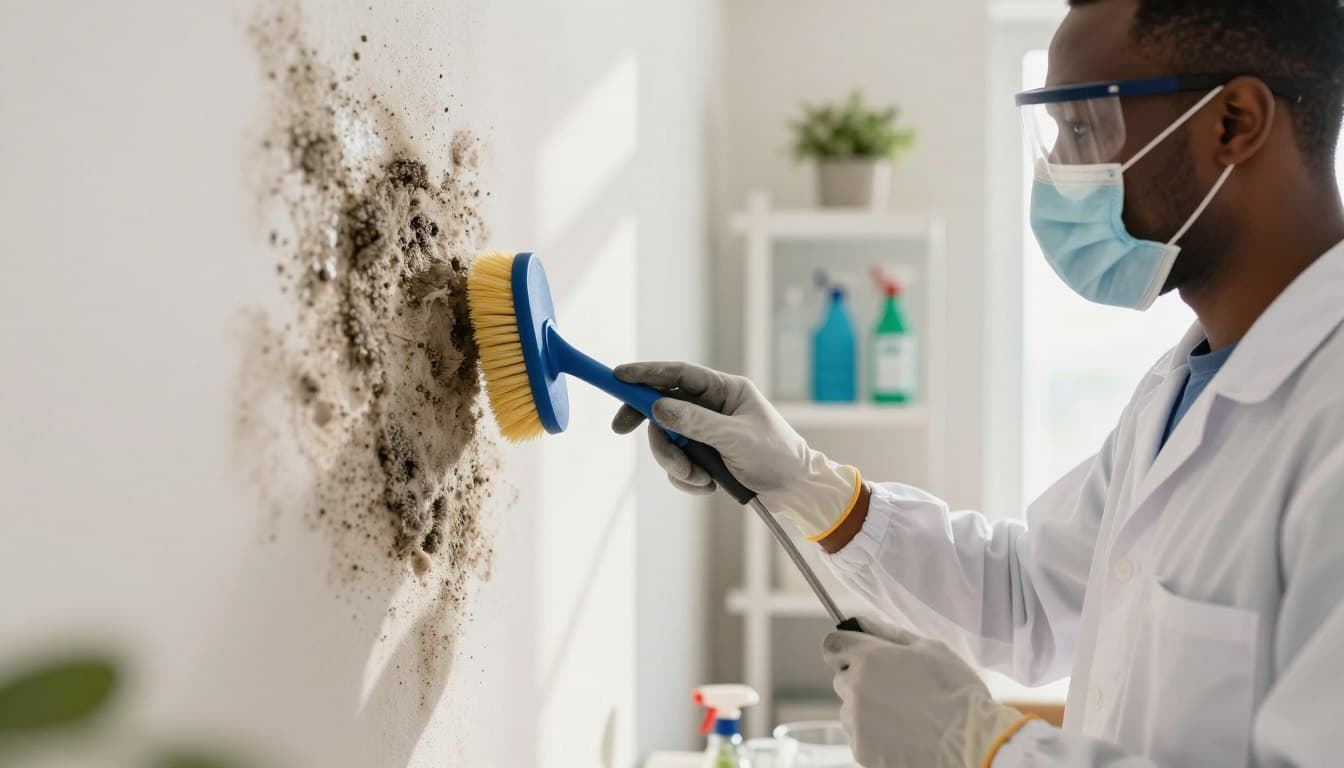
The Silent Threat: Health Risks of Indoor Mold Exposure
In the pursuit of a comfortable home, indoor air quality is often overlooked. However, the air trapped inside your house can sometimes be significantly more polluted than the air outside. One of the primary biological pollutants devastating indoor air quality in Kenyan homes is mold. At MoldGuard Kenya, we don't just treat buildings; we protect families. In this article, we explore the serious, scientifically backed health risks associated with living or working in a mold-infested environment.
What is Mold and How Do We Inhale It?
Mold is a type of fungi that reproduces by releasing microscopic spores into the air. When mold grows indoors—often triggered by high humidity, poor ventilation, or leaking pipes—these spores become trapped. Because they are virtually invisible and extremely lightweight, occupants inhale thousands of these spores with every breath.
Furthermore, certain toxic molds (like Stachybotrys chartarum, famously known as "Toxic Black Mold") release mycotoxins—poisonous chemical compounds that hitch a ride on the spores and dust particles in the air.
The Spectrum of Mold-Induced Health Issues
The physiological reaction to mold varies heavily depending on the individual's immune system, the type of mold present, and the duration of exposure.
1. Allergic Reactions and Respiratory Distress
The most common response to mold exposure involves the respiratory system. The body recognizes inhaled spores as foreign invaders, triggering an allergic, inflammatory response.
- Common Symptoms include: Chronic sneezing, a perpetually runny or stuffy nose, red and watering eyes, and persistent skin rashes or hives.
- Asthma Complications: For individuals who already suffer from asthma, mold is a potent trigger. Exposure can dramatically increase the frequency and severity of asthma attacks, leading to shortness of breath, chest tightness, and wheezing. In children, prolonged exposure to damp, moldy environments has been linked to the actual development of asthma.
2. Mold Toxicity (Mycotoxicosis)
Prolonged exposure to the mycotoxins produced by species like black mold can lead to mold toxicity. Unlike an allergy, toxicity affects the entire body and the nervous system.
- Neurological Symptoms: Victims frequently report "brain fog," severe chronic fatigue, memory loss, dizziness, and intense headaches.
- Physical Ailments: Unexplained joint and muscle pain, persistent numbness or tingling, and severe digestive issues. These symptoms are often misdiagnosed, leaving patients suffering for years without realizing their home or office building is the root cause of their illness.
3. Fungal Infections
While rare in healthy individuals, direct fungal infections are a critical threat to those with compromised immune systems.
- Individuals undergoing chemotherapy, those with HIV/AIDS, or individuals suffering from chronic lung diseases like COPD can actually develop infections where the mold begins to grow inside their lung cavities (a condition known as Aspergillosis). This requires immediate, intensive medical intervention.
Who is Most at Risk?
While mold is unhealthy for anyone, certain demographics in your household are particularly vulnerable:
- Infants and Children: Their lungs are still developing, making them highly susceptible to respiratory damage and the onset of lifelong asthma.
- The Elderly: Older adults generally have weaker immune systems and pre-existing health conditions.
- Pregnant Women: The physical toll of mold exposure can cause severe stress on expecting mothers.
The Illusion of the DIY Fix
When a family member falls ill due to mold, the immediate reaction is often to scrub the visible mold with bleach. This is highly dangerous. Scrubbing dry mold agitates it, launching millions of spores and mycotoxins defensively into the air, drastically worsening the indoor air quality and putting the person cleaning at immediate risk of acute inhalation. Furthermore, bleach does not penetrate porous building materials; it only bleaches the surface color, leaving the mold "roots" alive to return weeks later.
Protecting Your Health with Professional Remediation
The only way to guarantee your family's health is to physically and safely remove the mold and address the moisture source that caused it.
MoldGuard Kenya utilizes industrial-grade HEPA air filtration to scrub the air clean while our technicians, fully protected in Hazmat gear, safely eradicate the infestation without cross-contaminating your home.
Your health is not worth the risk. If you suspect mold is causing chronic illness in your home, contact the certified professionals at MoldGuard Kenya for a comprehensive air quality test and inspection today.
Explore our Professional Mold Inspection Protocols to see how we accurately diagnose indoor air hazards.