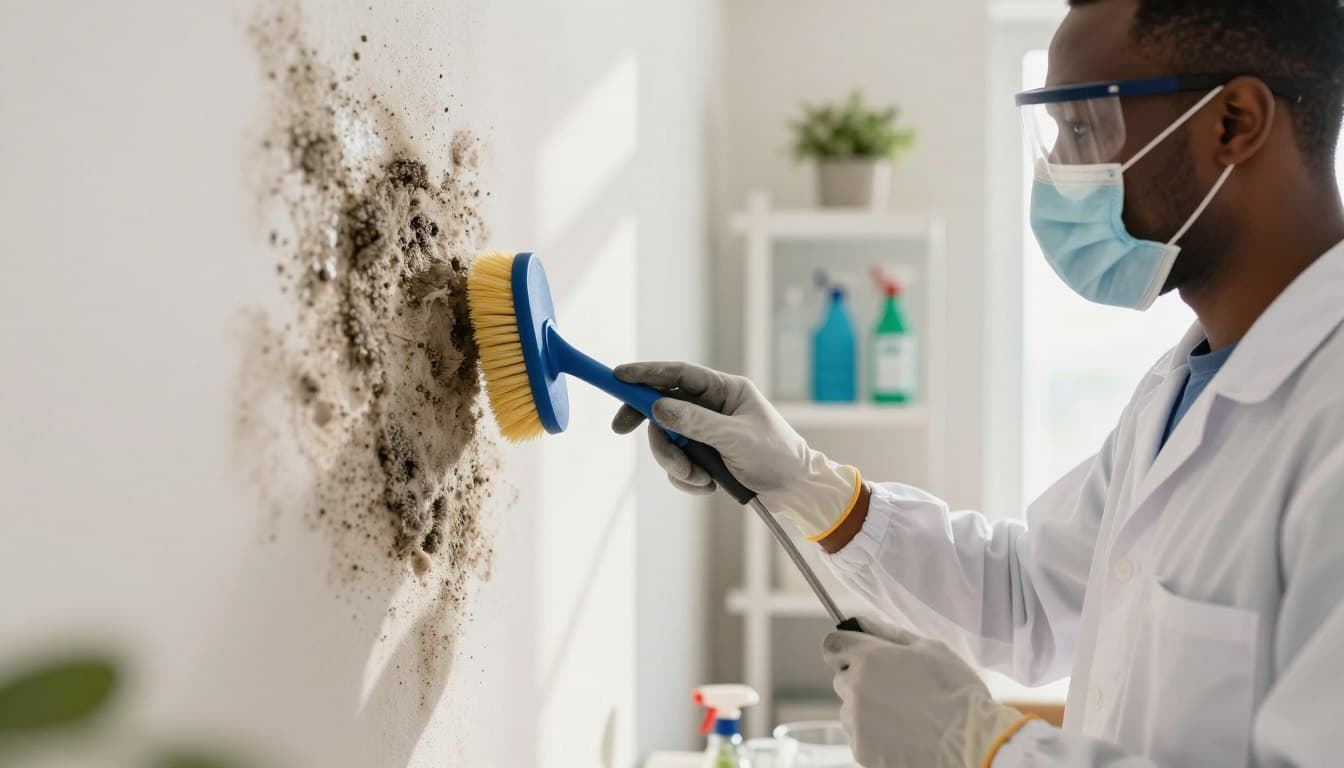
Out of Sight, Out of Mind? The Hidden Dangers of Concealed Mold
When most people think of mold, they picture fuzzy black patches on bathroom ceilings or green colonies on stale bread. However, visible mold is often the final, desperate symptom of a much larger, insidious problem. The most dangerous mold infestations in a building are usually the ones you cannot see.
At MoldGuard Kenya, our certified inspectors spend every day hunting down hidden sources of contamination. In this article, we expose the most common hiding spots for toxic mold and explain why concealed mold is a severe threat to your health and property.
Why Does Mold Hide?
Mold thrives in environments that offer three things: moisture, organic food (like wood, drywall paper, or dust), and darkness. The dark, undisturbed cavities of your home are the perfect incubators. Hidden mold is particularly dangerous because it can grow and release millions of toxic spores and mycotoxins into your indoor air for months—or even years—before you notice a physical stain on the wall.
By the time the mold eats its way through the drywall to become visible to you, the hidden colony behind the wall is likely massive.
The 5 Most Common Hiding Places for Mold
1. Behind Drywall and Wallpaper
If an internal pipe develops a micro-leak, or a window seal fails during the rainy season, water trickles down the inside of the wall cavity. The paper face on the backside of drywall is the perfect food source for toxic black mold (Stachybotrys chartarum). You won’t see it until the drywall physically begins to crumble or blister. Similarly, wallpaper acts as a vapor barrier; moisture from condensation gets trapped behind the paper, fueling aggressive mold growth while leaving the front perfectly clean.
2. Underneath Sinks and Cabinets
The dark, enclosed space beneath your kitchen or bathroom sink is highly vulnerable. A slow drip from a P-trap or a loose water supply line will soak the wooden floor panel over time. Because these cabinets are rarely well-lit or thoroughly inspected, mold can quietly rot the wood structure and send musty odors wafting through the kitchen for months.
3. Inside Air Conditioning Ducts (HVAC Systems)
In hotter climates like Mombasa or during the dry season in Nairobi, properties rely heavily on air conditioning. When warm air meets cold AC ducts, condensation forms. If the condensation does not drain properly, mold spores (which are naturally pulled into the system through the return vents) will stick to the wet ductwork and multiply. Every time the AC kicks on, it blasts unseen mold spores directly into the living spaces.
4. Above Drop Ceilings and in Attics
A slow leak from a roof or an overflowing gutter often drips onto the ceiling insulation or the hidden side of ceiling boards. The attic goes undisturbed for years, allowing a minor leak to spawn a massive fungal colony that slowly destroys the structural wooden trusses supporting the roof.
5. Beneath Flooring and Carpets
If a home floods or suffers a significant plumbing failure, water seeps into the concrete subfloor. Even if the top of the carpet or the hardwood floor feels dry to the touch, the padding underneath can remain saturated for weeks. As the moisture attempts to evaporate upwards, it gets trapped under the flooring, leading to severe, hidden mold that eventually causes hardwood floors to warp and buckle.
How Do You Find Hidden Mold?
You cannot fight an enemy you cannot see. Do not start tearing down walls blindly. Trust the professionals.
At MoldGuard Kenya, our certified technicians use non-destructive technology to locate hidden moisture and mold:
- Thermal Imaging Cameras: We scan the walls for temperature anomalies that indicate trapped water pockets behind the drywall.
- Moisture Meters: We use specialized sensors that can read the moisture content inside wood and concrete without breaking the surface.
- Air Quality Testing: By taking specialized air samples, we can detect an unusually high concentration of mold spores in specific rooms, directing us to the hidden source.
If your home smells musty, or you suffer from chronic, unexplained allergies, you likely have a hidden mold issue. Contact MoldGuard Kenya today to schedule a comprehensive, high-tech inspection.