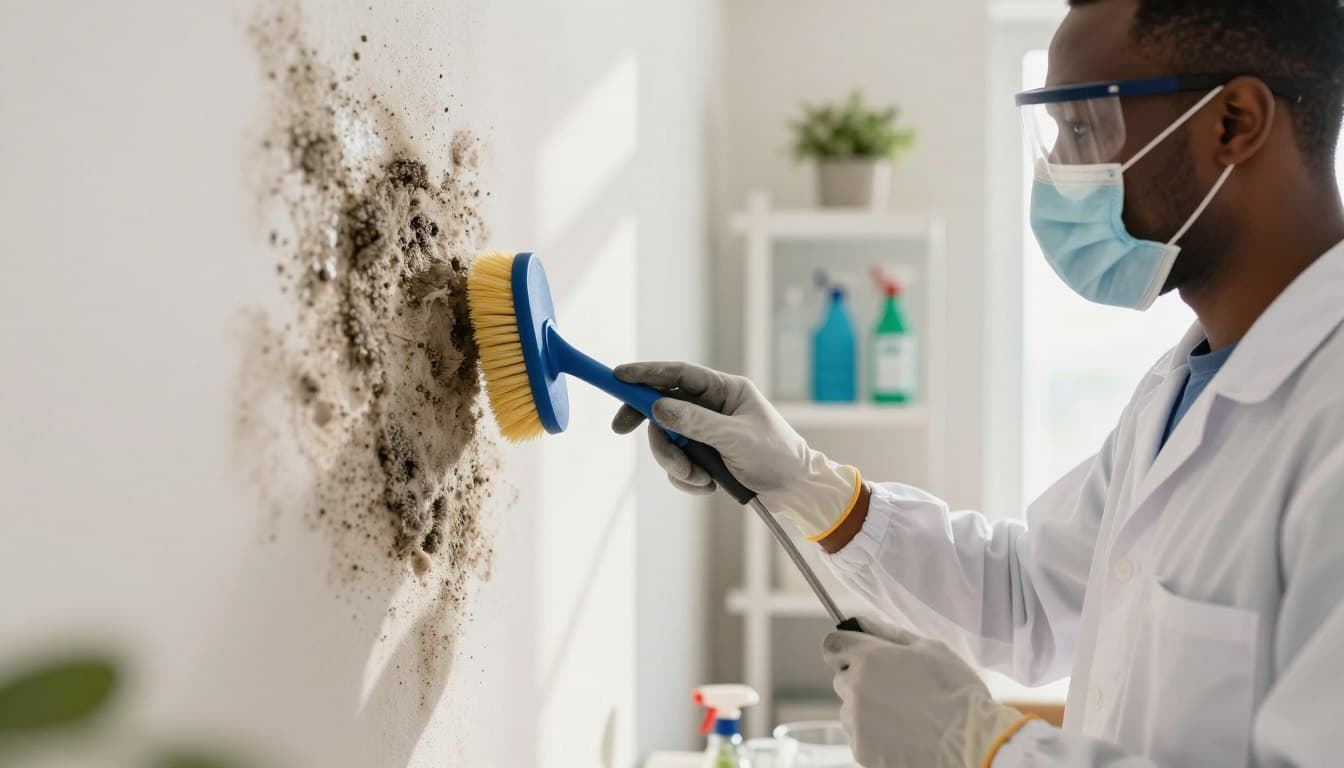
Most of us assume that once we're indoors, we're safe from the dust, pollution, and allergens of the outside world. In reality, the air inside Kenyan homes, offices, schools, and hospitals is often more contaminated than the air outside — sometimes by a significant margin. Trapped humidity, mold spores, dust mites, cooking fumes, poor ventilation, and chemical off-gassing from furniture and paint all combine to create indoor environments that can quietly affect health, comfort, and productivity for months without anyone noticing the cause.
At MoldGuard Kenya, indoor air quality (IAQ) assessment and improvement is at the core of what we do. This guide explains what indoor air quality really means, why it matters so much in the Kenyan climate, how professional assessments work, and what you can do to make the air in your home or business genuinely healthier to breathe.
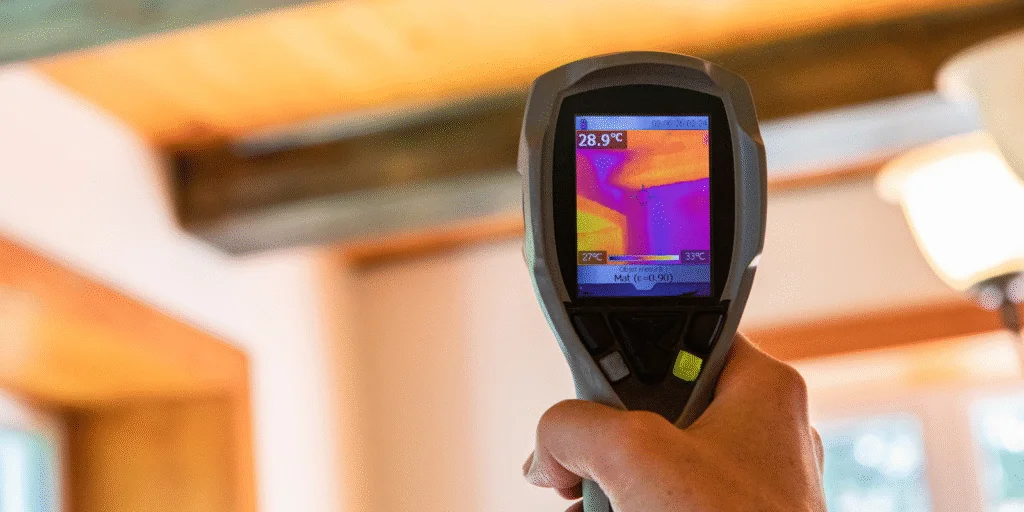
Table of Contents
- What Is Indoor Air Quality and Why Does It Matter?
- Why Indoor Air Quality Is a Growing Concern in Kenya
- Common Indoor Air Pollutants Found in Kenyan Buildings
- Health Effects of Poor Indoor Air Quality
- Signs Your Indoor Air Quality Needs Attention
- What Happens During a Professional IAQ Assessment
- How MoldGuard Kenya Tests and Measures Indoor Air Quality
- Proven Ways to Improve Indoor Air Quality
- Indoor Air Quality in Different Settings
- IAQ Assessment vs. General Cleaning: Why They're Not the Same
- How Often Should You Test Your Indoor Air?
- Choosing the Right Indoor Air Quality Partner in Kenya
- Frequently Asked Questions
- Book Your Indoor Air Quality Assessment Today
1. What Is Indoor Air Quality and Why Does It Matter?
Indoor air quality refers to the condition of the air within and around buildings, particularly as it relates to the health and comfort of the people who occupy them. It's determined by a combination of factors: humidity levels, ventilation rates, the presence of airborne particles like dust and mold spores, chemical pollutants from furnishings and cleaning products, and biological contaminants such as bacteria and allergens.
Because most people spend up to 90% of their time indoors — at home, at work, in schools, or in vehicles — the quality of indoor air has a far greater cumulative impact on health than most people realize. Unlike outdoor pollution, which disperses relatively quickly, indoor pollutants tend to accumulate in enclosed spaces, especially in buildings with limited ventilation.
2. Why Indoor Air Quality Is a Growing Concern in Kenya
Several trends specific to Kenya's built environment and climate are making indoor air quality a more urgent issue than it was a decade ago:
- Sealed, modern construction: Newer apartments and office blocks in Nairobi, Nakuru, and other urban centers are increasingly built with sealed glass facades and centralized air conditioning, which reduces natural airflow and traps pollutants indoors.
- High ambient humidity in coastal and lakeside regions: Towns like Mombasa, Kisumu, and Malindi experience consistently high humidity, creating conditions for mold growth and dust mite proliferation.
- Seasonal rains and dampness: The long and short rain seasons leave many buildings with elevated indoor humidity, condensation, and hidden moisture — all of which degrade air quality.
- Urban traffic pollution infiltration: In busy areas like Nairobi's CBD and along major highways, outdoor vehicle emissions can infiltrate buildings through poorly sealed windows and ventilation systems.
- Increased use of synthetic furnishings and finishes: Modern paints, adhesives, laminate flooring, and furniture can off-gas volatile organic compounds (VOCs) for months after installation.
- Aging HVAC and ductwork systems: Many commercial buildings run air conditioning systems with ductwork that hasn't been cleaned or inspected in years, allowing dust, mold, and bacteria to recirculate through the building.
3. Common Indoor Air Pollutants Found in Kenyan Buildings
A professional indoor air quality assessment typically looks for several categories of pollutants:
Biological Contaminants
- Mold spores and mildew
- Dust mites
- Bacteria and viruses
- Pollen that has infiltrated from outdoors
Particulate Matter
- Dust and fine particulate matter (PM2.5 and PM10)
- Soot from cooking, candles, or nearby traffic
- Fibers from carpets, upholstery, and insulation
Chemical Pollutants
- Volatile organic compounds (VOCs) from paint, adhesives, and furniture
- Formaldehyde from pressed wood products
- Cleaning product residues
- Cooking gas emissions, particularly in kitchens with poor ventilation
Excess Humidity and Moisture
- Condensation on windows and walls
- Damp basements, ceiling voids, and crawl spaces
- Water-damaged materials that haven't fully dried
4. Health Effects of Poor Indoor Air Quality
Poor indoor air quality rarely announces itself with a single dramatic symptom. Instead, it tends to show up as a collection of low-grade, recurring issues that many people simply attribute to stress, allergies, or "just not feeling well." Commonly reported effects include:
- Frequent headaches and difficulty concentrating
- Fatigue that doesn't improve with rest
- Irritation of the eyes, nose, and throat
- Worsening of asthma and allergy symptoms
- Dry cough or throat clearing that persists indoors but improves outside
- Sleep disturbances, particularly in bedrooms with poor ventilation
Children, older adults, and individuals with pre-existing respiratory conditions are typically more sensitive to indoor air pollutants. If you or someone in your household or workplace is experiencing ongoing symptoms like these, it's worth speaking with a medical professional as well as investigating the air quality of the space itself.
5. Signs Your Indoor Air Quality Needs Attention
You don't need specialized equipment to notice some of the early warning signs of poor indoor air quality:
- A persistent stale, musty, or chemical smell that doesn't go away with normal ventilation
- Visible dust buildup on surfaces shortly after cleaning
- Condensation regularly forming on windows or cold surfaces
- Family members or staff reporting headaches, fatigue, or respiratory irritation specifically while indoors
- Mold or mildew spots appearing on walls, ceilings, or around windows
- Noticeably stuffy air in rooms with closed windows or limited ventilation
- Old or visibly dirty HVAC filters and vents
If several of these apply to your home or workplace, a professional assessment can identify exactly what's driving the problem — rather than guessing and treating symptoms one at a time.
6. What Happens During a Professional IAQ Assessment
A genuine indoor air quality assessment goes far beyond a visual walkthrough. Here's what a thorough process typically involves:
- Site Walkthrough and Occupant Interview: Technicians walk through the space, noting visible issues, and ask occupants about specific symptoms, timing, and any recent renovations, water damage, or changes to the building.
- Humidity and Moisture Mapping: Using moisture meters and hygrometers, technicians measure humidity levels throughout the space and identify any hidden damp zones behind walls, under flooring, or in ceiling voids.
- Airborne Particulate and Spore Sampling: Air samples are collected and analyzed to measure the concentration of mold spores, dust, and other particulates in the air, often compared against outdoor baseline samples for context.
- Ventilation Assessment: Technicians evaluate whether the building's ventilation system — natural or mechanical — is adequately exchanging indoor air, and inspect HVAC ductwork for contamination.
- VOC and Chemical Screening: Where chemical pollutants are suspected (for example, after renovations or new furniture installation), specialized equipment measures VOC concentrations in the air.
- Reporting and Recommendations: Findings are compiled into a clear report identifying specific pollutants, their likely sources, and a prioritized action plan for improvement.
7. How MoldGuard Kenya Tests and Measures Indoor Air Quality
MoldGuard Kenya's assessment process combines industrial-grade diagnostic tools with practical, real-world experience of Kenyan buildings. Our approach includes:
- Digital hygrometers and moisture meters to map humidity levels and hidden dampness across the property
- Particle counters to measure fine particulate concentration (PM2.5 / PM10) in real time
- Mold spore air sampling to establish accurate baseline and post-treatment spore counts
- Thermal imaging (where applicable) to detect hidden moisture intrusion behind walls and ceilings without invasive inspection
- HVAC and ductwork inspection to identify contamination points in centralized air systems
- A written, plain-language report that translates technical findings into specific, actionable recommendations — not just numbers on a page
Every assessment concludes with a clear conversation about what we found, what it means for your health and property, and what your realistic options are — with no pressure to purchase services you don't need.
8. Proven Ways to Improve Indoor Air Quality
Once an assessment identifies the specific issues affecting a space, improvement strategies are tailored accordingly. Common interventions include:
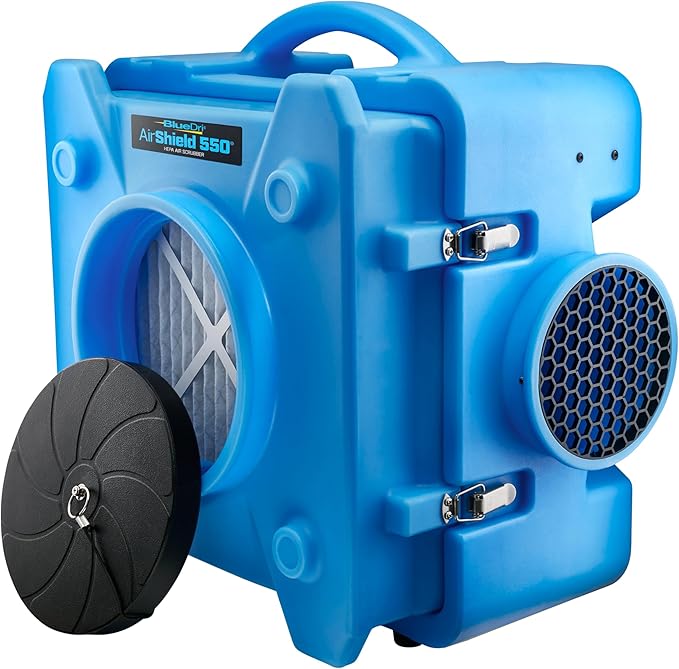
- Air Scrubbing and HEPA Filtration: Industrial air scrubbers with HEPA and activated carbon filtration actively remove airborne mold spores, dust, and odors.
- Humidity Control: Dehumidification equipment, improved drainage, and moisture-proofing measures address the root causes of excess indoor humidity.
- Ventilation Improvements: Increasing natural airflow, servicing or upgrading mechanical ventilation systems, and ensuring extractor fans in kitchens and bathrooms function correctly.
- HVAC and Duct Cleaning: Professional cleaning of air conditioning units and ductwork removes accumulated dust, mold, and bacteria.
- Source Removal or Correction: Addressing the root cause — a leaking roof, a poorly ventilated kitchen, an off-gassing new carpet — is often more effective long-term than repeatedly treating symptoms.
- Ongoing Monitoring: For sensitive environments like hospitals, schools, or facilities with previous mold issues, periodic re-testing helps confirm improvements hold.
9. Indoor Air Quality in Different Settings
Different environments come with distinct indoor air quality challenges and stakes:
- Residential homes: Bedrooms and living areas need consistent, comfortable air quality for long-term family health, particularly for households with young children, elderly residents, or asthma sufferers.
- Offices and co-working spaces: Poor air quality has a documented impact on employee concentration, fatigue levels, and sick-day frequency.
- Schools and daycare centers: Children breathe more air relative to their body weight than adults and are more vulnerable to indoor pollutants.
- Hospitals and clinics: Indoor air quality directly affects infection control and patient recovery.
- Hotels and hospitality venues: Guest comfort and health directly affect reviews and repeat business.
- Warehouses and storage facilities: Humidity and air quality affect the condition of stored goods, particularly paper products, textiles, electronics, and food items.
10. IAQ Assessment vs. General Cleaning: Why They're Not the Same
A common misconception is that regular cleaning is enough to maintain good indoor air quality. While cleaning helps manage visible dust and surface contaminants, it doesn't address critical factors:
| Cleaning Limitation | Professional IAQ Assessment |
|---|---|
| Cannot measure or correct humidity | Accurately tracks Relative Humidity (RH) & Dew Point |
| Cannot detect hidden mold inside walls | Uses thermal imaging & airborne spore sampling |
| Cannot identify VOC off-gassing | Detects volatile organic compounds & chemical vapors |
| Cannot measure ventilation rate | Audits Air Changes Per Hour (ACH) & ductwork |
A proper IAQ assessment measures what's actually in the air and identifies the underlying causes — information that no amount of dusting or mopping can provide.
11. How Often Should You Test Your Indoor Air?
The right testing frequency depends on the building and its history:
- After any water damage, flooding, or leak repair — to confirm the space has genuinely dried out and mold hasn't taken hold
- Before moving into a new home or office, particularly older buildings or those with an unknown maintenance history
- Annually for households with asthma, allergy, or immune-sensitive occupants
- Every 1–2 years for general residential and office spaces as a baseline health check
- Immediately if occupants report unexplained, recurring symptoms that seem tied to being indoors
- After major renovations involving new paint, flooring, furniture, or insulation
12. Choosing the Right Indoor Air Quality Partner in Kenya
When evaluating a provider for indoor air quality assessment and improvement, look for:
- Use of proper diagnostic equipment (particle counters, hygrometers, spore sampling) rather than a purely visual inspection
- A written report with measured data, not just general observations
- Experience addressing Kenya-specific challenges like coastal humidity and seasonal rain-driven dampness
- Clear, actionable recommendations tailored to your specific findings — not a one-size-fits-all sales pitch
- Willingness to explain their testing methods and equipment before you commit
- A track record across the type of property you're dealing with, whether residential, commercial, or medical
MoldGuard Kenya is happy to walk you through our assessment process, equipment, and past results before you book any service.
13. Frequently Asked Questions
Q: How long does an indoor air quality assessment take?
A: Most residential assessments take between one and three hours, depending on property size and areas tested. Larger commercial buildings may require a full-day assessment.
Q: Can I improve indoor air quality without professional help?
A: Simple steps like regular ventilation, keeping humidity in check, and using quality air filters can help. However, identifying hidden mold, VOC sources, or ductwork contamination generally requires professional testing equipment.
Q: Is indoor air quality testing useful if I don't see any mold?
A: Yes. Many indoor air quality issues — including elevated VOCs, hidden mold behind walls, and poor ventilation — produce no visible signs at all, which is why testing is valuable even in buildings that look clean.
Q: What's a healthy humidity level for indoor spaces in Kenya?
A: Generally, indoor relative humidity between 30% and 50% is considered healthy and helps discourage mold growth and dust mite proliferation. Levels above this range increase mold risks.
Q: Do you provide services outside Nairobi?
A: Yes. MoldGuard Kenya serves clients across Kenya's major urban centers including Nairobi, Mombasa, Nakuru, Eldoret, and surrounding regions.
Q: Will an assessment tell me exactly what's causing my symptoms?
A: An assessment identifies measurable air quality issues in your space, such as elevated spore counts, high humidity, or VOC concentrations, giving you and your doctor valuable context for environmental triggers.
14. Book Your Indoor Air Quality Assessment Today
The air you and your family or employees breathe every day deserves more than guesswork. Whether you're dealing with unexplained health symptoms, recent water damage, a musty smell that won't go away, or simply want peace of mind about the space you spend most of your time in, a professional indoor air quality assessment gives you clear answers and a practical path forward.
Contact MoldGuard Kenya today to book your indoor air quality assessment and take the first step toward cleaner, healthier air.