Mold in Rented Apartments: Tenant vs. Landlord Responsibilities in Kenya
Discovering a massive bloom of black mold on your apartment ceiling is incredibly frustrating. Not only is it a severe health hazard—triggering asthma, allergies, and respiratory infections—but it immediately raises a contentious question: Who is supposed to pay to fix this?
In the highly active Kenyan real estate market, disputes between tenants and landlords over dampness and mold are incredibly common. At MoldGuard Kenya, we frequently consult on remediation jobs in multi-family apartments and rental homes. In this guide, we break down the general responsibilities of both parties regarding indoor mold outbreaks.
The Core Concept: Liability Follows the Source
In almost all disputes regarding property damage, liability hinges on the cause of the mold. Mold cannot exist without moisture. Therefore, determining responsibility comes down to determining where the water came from. Was it a structural failure of the building, or was it caused by the tenant's lifestyle habits?
When the Landlord is Responsible
Under Kenyan law, a landlord has an implied duty to ensure that a rental property is habitable and safe for occupation. A severe mold infestation stemming from a structural defect directly violates this duty.
A landlord must cover the cost of professional mold remediation from companies like MoldGuard Kenya if the mold is caused by:
- Structural Leaks: A leaking roof, a cracked foundation letting in groundwater, or failing exterior masonry.
- Plumbing Failures: Burst pipes inside the walls, leaking water heaters, or faulty sewer lines connected to the building’s main infrastructure.
- Poor Maintenance: Unrepaired gutters causing water to overflow into the walls, or broken exhaust fans in the bathroom that the tenant previously reported.
- Pre-Existing Dampness: If a tenant moves into an apartment that already suffers from rising damp due to a failed damp-proof course (DPC) established during construction.
When the Tenant is Responsible
Conversely, a tenant is required to maintain a reasonable standard of cleanliness and care while occupying the property. If a tenant's behavior directly generates the moisture that fuels mold growth, they will likely be held liable for the repair and remediation costs.
A tenant may be responsible for mold remediation if it is caused by:
- Poor Ventilation: Consistently cooking, taking long hot showers, and drying wet laundry indoors all winter without ever opening a window or using an exhaust fan. This traps massive amounts of condensation indoors, leading to severe mold on windows and ceilings.
- Failure to Report Leaks: If a tenant notices a slow leak under the kitchen sink but fails to report it to the landlord for six months, allowing the cabinet to rot and mold to blacken the walls, the tenant may be liable due to negligence.
- Improper Furniture Placement: Stacking heavy furniture entirely flush against cold exterior walls, preventing any air circulation and trapping stagnant, damp air that eventually breeds mold.
What Should You Do If You Find Mold?
For Tenants:
- Document Everything: The moment you spot a leak or a patch of mold, take clear photographs.
- Notify Immediately: Send a written communication (email or WhatsApp with a read receipt) to your landlord or property manager immediately detailing the issue.
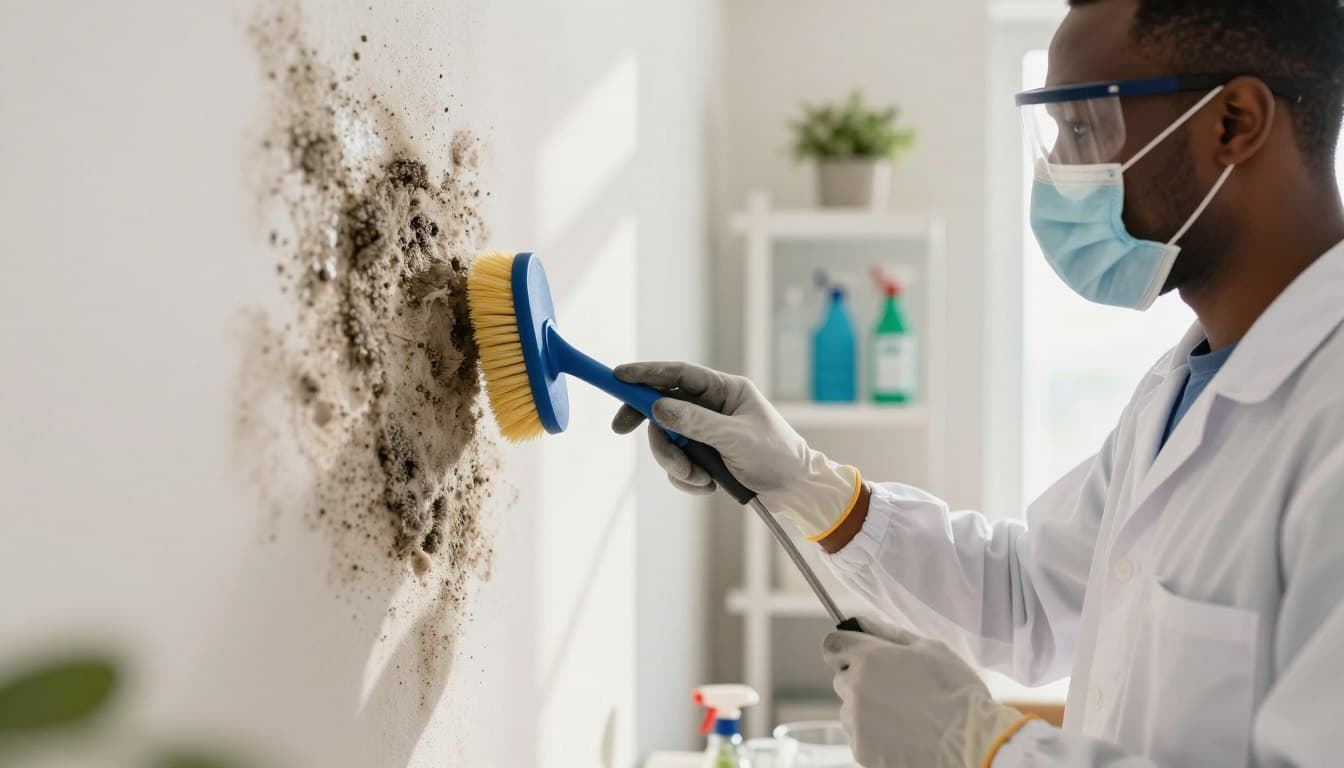
- Do Not Clean Structural Mold with Bleach: If the mold is small surface condensation in the shower, clean it. If it is growing into the drywall or ceiling board, do not touch it. Scrubbing it can release toxic spores. Demand a professional inspection.
For Landlords:
- Act Quickly: Ignoring a tenant's complaint about mold is a massive liability. The longer mold sits, the deeper it eats into the structure of your investment property, exponentially increasing the remediation costs.
- Hire Third-Party Experts: Do not send your local handyman with a bottle of bleach to paint over the mold. This will not solve the issue, and the tenant will continue to complain when it returns next month.
Hire a certified, independent remediation company like MoldGuard Kenya. We provide unbiased moisture mapping reports that definitively show the water source, proving beyond a doubt whether the issue is structural or tenant-caused. We then safely execute permanent remediation.